


February marks 100 years of the national observance of Black history.
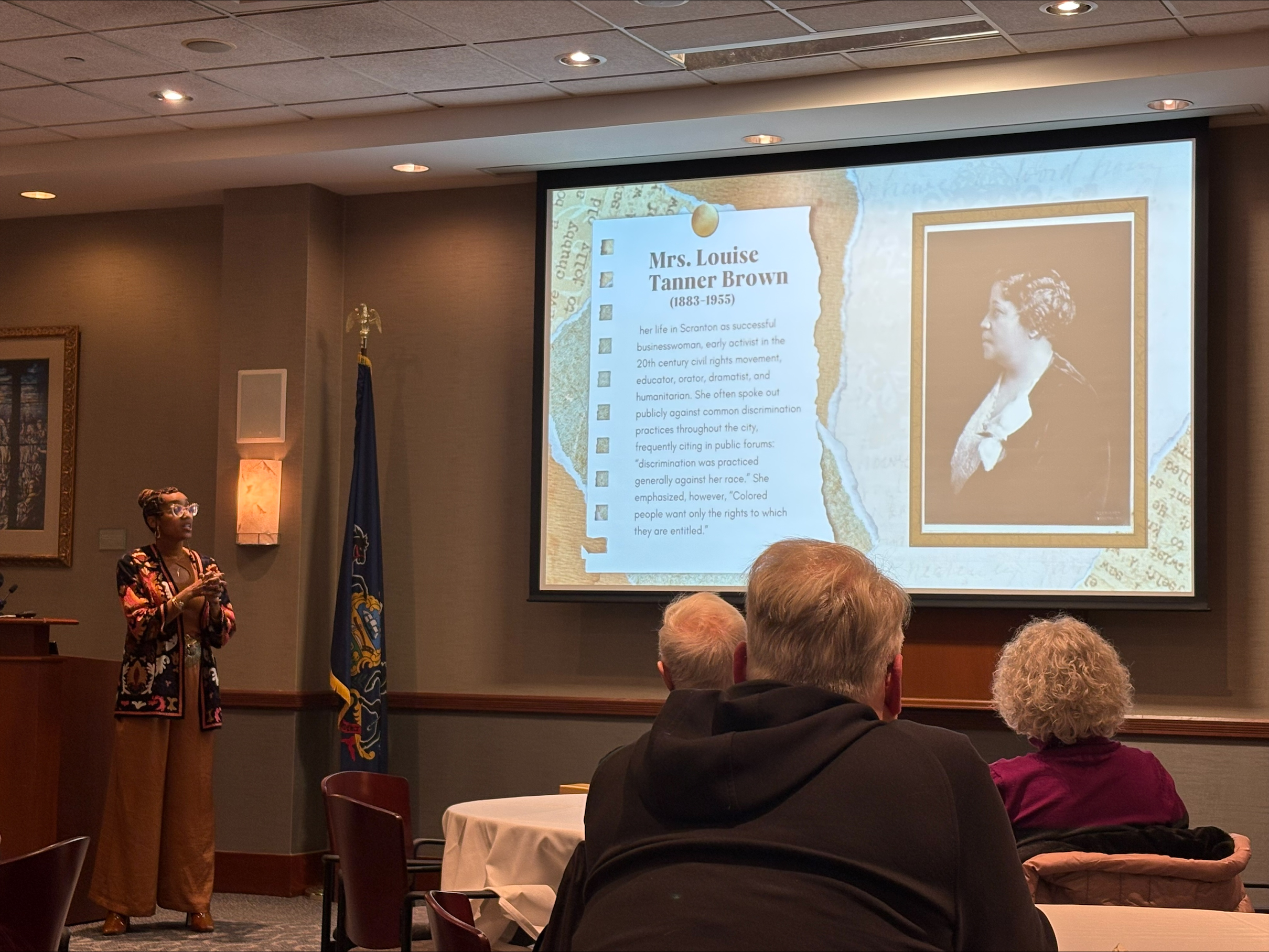
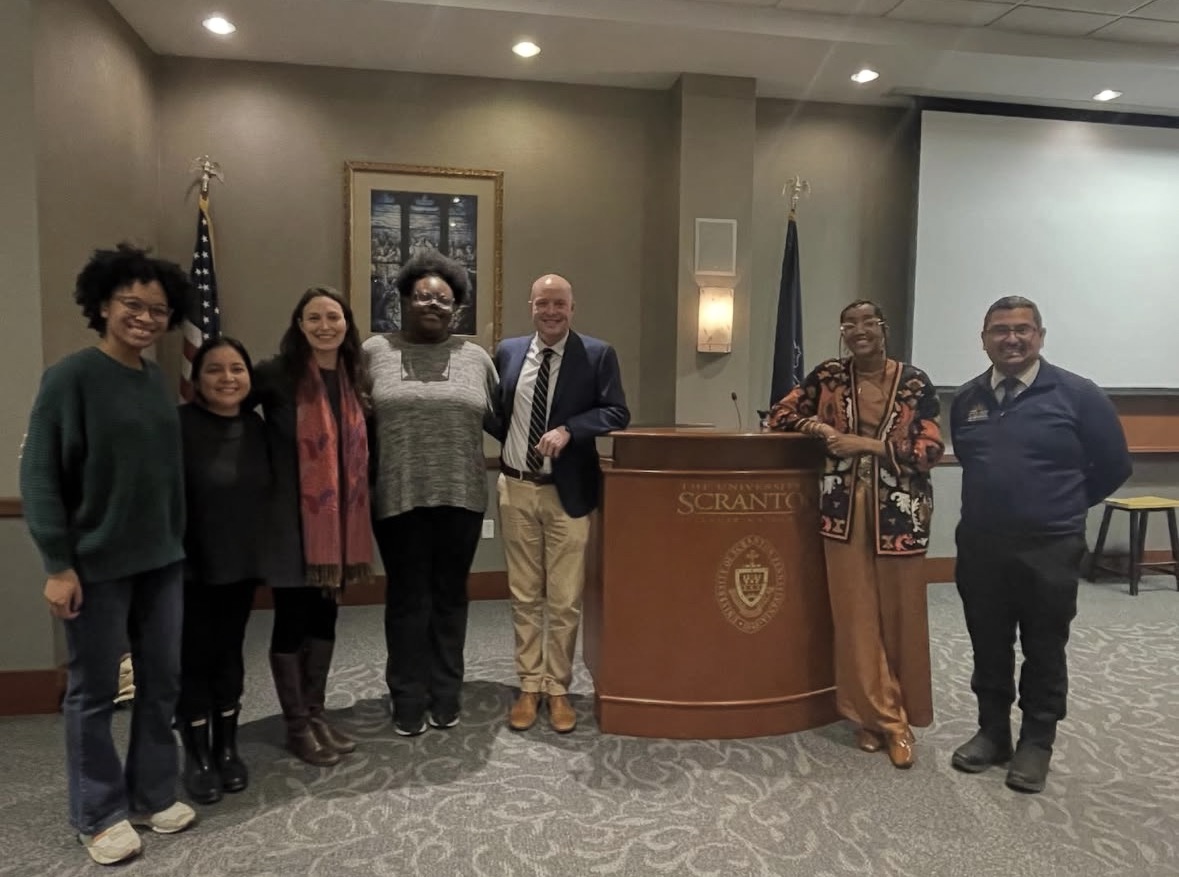
To mark the monumental anniversary, Glynis Johns, founder and CEO of the Black Scranton Project, discussed the importance of Black history, Scranton’s unique place in history and the perception of the Black Scranton Project.
Why do you think Black History Month and Black programming is so important, especially today?
Glynis Johns: I think it's important because of the oppression to Black people, African Americans. And I think remembering these stories also brings a sense of belonging and a sense of identity to people. It also illuminates the fact that not just Black people but people of all different backgrounds have achieved and have contributed so much to the history of the United States. It's also the semiquincentennial year so we're also looking at the founding of the United States. It's a remarkable time to reevaluate some stories, some history and remind us. We live in a fast-paced consumption era, so taking some time to revisit some people in history, I think it's awesome.
What inspired you to open the Black Scranton Project (in Scranton specifically)?
Johns: I was born and raised right here in the city of Scranton. I've spent my whole life here. I didn’t always have so much Scranton pride or Black Scranton pride. I grew up not wanting to be from here because there wasn't a sense of identity. Why does this city that I claim to be my home not see me as fully from this area? So I started to debunk that stereotype. If you're Black, why can't you be from Scranton? And that led me to all these incredible people in history and the length of time that we've been in Scranton.
And that moved me to start sharing stories. The first big talk I ever did was at the University of Scranton. (I told them) I'm finishing my graduate thesis and I just want to tell you about all this stuff, can I do a Black History Month lecture? They're (the University) like, yeah, OK. I just started sharing some stories and that rolled into other projects and initiatives. That's how I came up with the name Black Scranton Project which tumbled into being a nonprofit.
From there we started collecting all of this history and stories about people in the community and artifacts. We need a space to hold all these things. And that's how I started to look for a space. Which turned into getting this incredible bank that's also celebrating 100 years this year as well. So cool.
What about Scranton makes it different from other cities, like let’s say Philadelphia?
Johns: What makes Scranton unique, especially in the geography scope, is that it's very close to all these other cities. We're two hours away from major cities like Philly and New York. Because of that, we've always had a close connection with those communities and what's happening there. As an industrial space, if we're talking about the 1800s, we had the rail line coming through here. And that was especially important for Black culture and the Black community because you have people getting on the train from Philly stopping in Scranton. They're going to shows or they have families or were people staying here before going to New York. There’s also the Underground Railroad, when people were trying to get to the north for freedom, a lot of people were stopping and then staying in northeastern Pa. So I think the proximity to that and the way that industry and infrastructure was built we kind of fit right in the middle of that.
Do you think there’s been a shift in reception to the Black Scranton Project in the last couple years, from 2020 to today?
Johns: I would say yes and no, because a lot of things have just stayed the same like people's attitudes. I think a lot more people are feeling emboldened to speak either truths or negativity or things that they believe are truths online disguised behind usernames. I also know that I established Black Scranton with the understanding that there's going to be a sense of resistance. Not even just with the work that I'm doing, but calling the organization Black Scranton Project “Black.” Honestly, if we got a dollar donation for every time somebody asked us why it's not called “White Scranton,” why don't we have a “White Scranton Project?” Look around. Every space is built for you and made for you. We don't need to call it that.
With everything happening in the government, with the current administration, arts and culture and history, especially when it focuses on Black people, minorities, overlooked populations, it's getting cut and it's trying to be disappeared. We fit in the intersection of all of those. We already struggled with funding and support. But now it makes it worse because we a lot of times get funding from bigger nonprofits or bigger funders.
Another thing that I've been sharing recently with people, is there's different categories and ways people get funding for certain initiatives that they're focused on. We've been hearing from funders and people that are asking us for alias names or if we have another way that we can talk about the mission of our org because it's Black facing, because now it looks exclusionary. We can't get funding. The thing for me is, and this goes back to the resistance piece, I'm not going to change the name of our nonprofit just so we can get funding.
The bottom line of that is Black Scranton was built out of resistance and illuminating something that people didn't want to see. That comes with a lot of things that a lot of folks run away from. You have to stand in that truth. Sometimes you have to speak up on things that people don't want to talk about. Sometimes, you're going to have to say the things that people don't want to hear.
That's what we've been built on. For me, that's how we have to move. It's not easy and it's not fun a lot of days, but that's part of the Black freedom struggle. No one else is going to speak up for us unless we do it. And I also want people from where I'm from to know that there are people who are creative, artistic, fun women, single-parent household, low income, who come from the projects and can do great things. You can, I'm no different than anybody else. I still live in the projects. I still do all these things, you know? You could do it. People could do it. We can do it. Your ideas matter. The things that you want to say matter. The only way that I can see it is if I try it, cause nobody else around me was doing it. So here we are still trying.


.jpeg)


.svg)